
The Role of Emotion in Game Selection
Emotion plays a crucial role in the choices players make when it comes to selecting casino games. Often, players are drawn to games that evoke excitement, nostalgia, or a sense of adventure. For additional information on understanding these choices, you can visit SpiritWrestler.com here. The thrill associated with high-stakes games, such as poker or blackjack, invokes a rush of adrenaline that can be irresistible to many. This emotional engagement can lead to a preference for certain games over others, as players often seek experiences that align with their feelings at the moment.

Moreover, the ambiance of a casino contributes to the emotional climate. Bright lights, engaging sounds, and the presence of other enthusiastic players can amplify feelings of excitement and anticipation. This environment can sway a player’s decision-making process, leading them toward specific types of games that may not have been their first choice in a more subdued setting.
Cognitive Biases Influencing Choices
Cognitive biases significantly impact how players perceive risk and reward in casino games. For instance, the gambler’s fallacy is a common psychological phenomenon where individuals erroneously believe that previous outcomes will influence future results. This can lead players to favor games they believe they have a better chance of winning, despite the house edge remaining constant. An unknown factor in decision-making can sometimes result in overlooking critical information.
Another relevant cognitive bias is the illusion of control, where players believe they can influence outcomes through their actions, particularly in skill-based games like poker. This belief can lead to the selection of games that players feel they have more control over, even when the reality may not support that notion.
The Influence of Social Dynamics
Social dynamics play a significant role in shaping player behavior in casinos. Many individuals are drawn to games with social elements, such as craps or blackjack, where interaction with other players is prevalent. The collective atmosphere of these games often enhances the enjoyment and can lead to prolonged participation.
Additionally, peer pressure and social validation can affect game choices. Players may gravitate towards games that are popular among their peers, as the social approval of engaging in these activities can enhance their own enjoyment and perceived legitimacy within the gaming community. This social factor is integral to understanding why specific games gain popularity among groups of players.
The Impact of Game Design and Mechanics
Casino games are meticulously designed to attract and retain players, using various psychological tricks to enhance the overall experience. The use of bright colors, engaging animations, and sound effects can create a compelling environment that keeps players entertained and engaged. These elements are not merely aesthetic; they are carefully crafted to stimulate excitement and prolong playtime.
Game mechanics also influence player behavior significantly. Features such as progressive jackpots, bonus rounds, and free spins can create a sense of achievement and expectation, encouraging players to keep trying their luck. The designed unpredictability of game outcomes further fuels this enjoyment, as players find themselves continuously chasing the next big win.
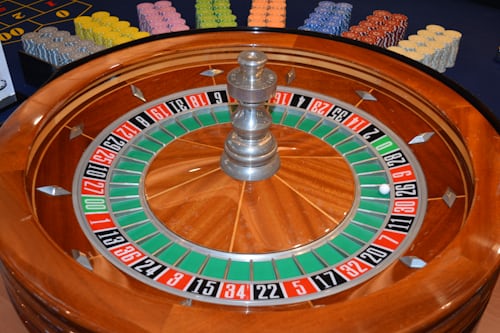
SpiritWrestler.com: A Safe Space for Gamblers
At SpiritWrestler.com, the focus is on providing a secure online environment for gambling enthusiasts. By prioritizing user safety and a seamless experience, the website ensures that players can indulge in their gaming preferences without compromising their security. The site emphasizes the importance of establishing a protected connection, instilling confidence in its users.
Moreover, SpiritWrestler.com understands the significance of user experience, encouraging the use of cookies to enhance functionality. The platform is committed to creating a trustworthy space where players can explore casino games while feeling secure and supported in their choices.